How to Stop Living Paycheck to Paycheck
The one-month-ahead method: what it is, why it breaks the cycle, and how long it realistically takes.
The cycle, in one sentence
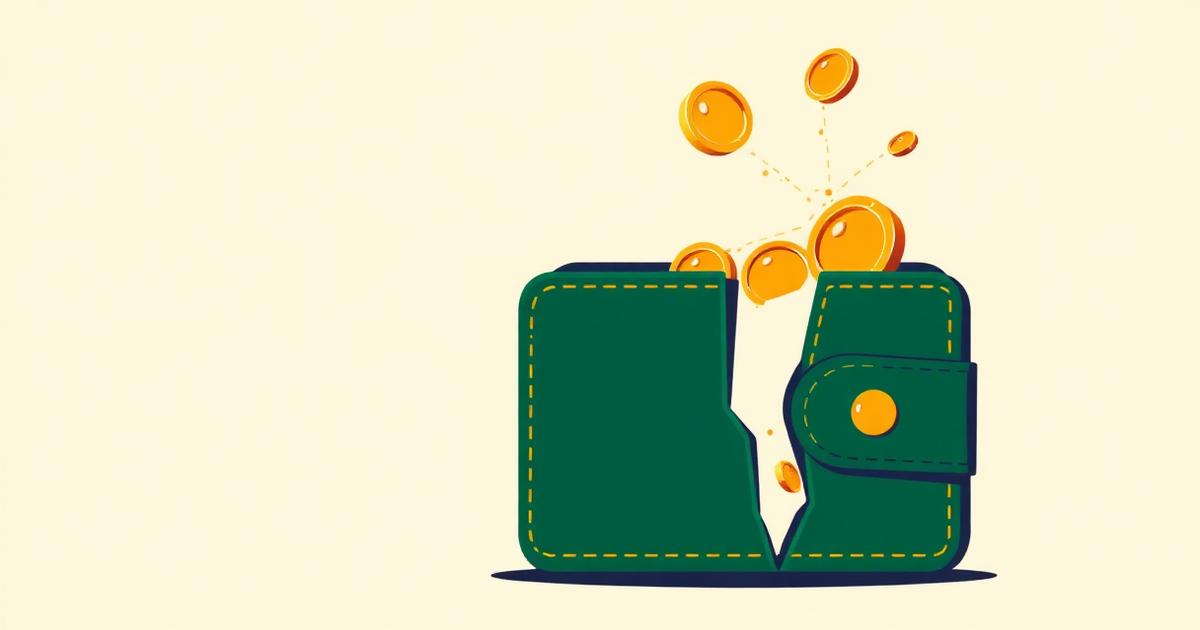
You spend this month's money as it arrives, so every unexpected cost has to be borrowed from next month.
The goal: be one month ahead
Instead of spending March's income in March, you spend February's income in March. Your budget is then built on a number you already know, and timing stress disappears even before your income rises.
Getting there
- Stabilise first. Build a small buffer — even $500 — so a surprise does not undo the progress.
- Find your gap. Track one honest month. Most households find 5–10% in categories they had never quantified.
- Bank every irregular dollar. Tax refunds, bonuses, overtime, sold items. These build the month-ahead float far faster than trimming.
- Hold the line as income rises. A raise that goes straight into the float can finish the job in a quarter rather than a year.
What it feels like afterwards
Bills stop being events. You pay them from money that is already sitting there, and the emotional volume of money drops noticeably — which is often the bigger win.
Ready to put this into practice? Start your free 30-day trial at mymoneymybudget.com